How is artificial intelligence transforming financial services?
Globally, audit and advisory firms are investing substantial resources in the development and implementation of AI solutions. Similar trends are emerging in Latvia, albeit at a scale proportionate to the market size.
Member firms of international networks may benefit most from AI adoption, provided they gain access to network-developed technological solutions. However, locally owned firms also have the capacity to develop AI tools tailored to the specific needs and scale of the Latvian market. In some cases, such locally adapted solutions may generate higher returns than standardised global systems designed for larger-scale clients.
The full extent and pace of AI-driven transformation in audit and advisory services will become clearer in the coming years.
A significant structural challenge is already emerging. While AI enhances efficiency in data analytics and routine tasks, it is likely to replace primarily junior-level positions, such as assistants. By automating foundational tasks traditionally performed at early career stages, the profession risks disrupting the established talent development cycle.
Over time, this could result in a shortage of highly experienced senior professionals. This generational gap is considered one of the most significant long-term risks for the sector.
How is the sustainability reporting services market developing in Latvia?
Recent regulatory developments in sustainability reporting — particularly under the CSRD (Corporate Sustainability Reporting Directive) and ESRS (European Sustainability Reporting Standards) — demonstrate how rapidly market expectations can shift.
Although many audit and advisory firms actively prepared for anticipated growth in sustainability assurance services, in practice the Latvian market may require such services for only a limited number of companies.
Approximately 70 auditors in Latvia have obtained certification to provide sustainability assurance services. However, under the revised regulatory framework, such assurance may be mandatory for only around 10 companies, excluding those opting voluntarily. This raises questions about the broad-scale growth potential of sustainability assurance services, while simultaneously creating niche opportunities for well-prepared providers.
What can be expected in the audit and financial advisory market?
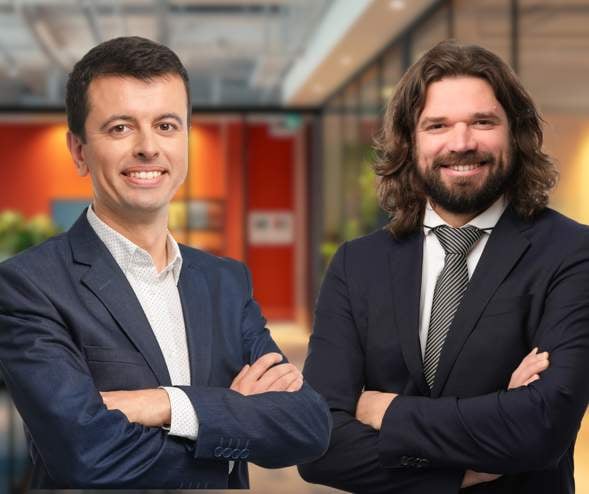
“The audit industry is entering a transformation phase where the ability to balance technology, talent and regulation will be decisive. As client due diligence requirements increase and audit and advisory standards become more complex, both professional expectations and regulatory burden are rising,” notes Raivis Irbītis.
Ongoing supervision by government authorities (Ministry of Finance), professional associations and international networks increases compliance requirements. Smaller market participants may find it increasingly difficult to maintain operational efficiency while meeting regulatory standards.
Will market consolidation follow — either through acquisitions by larger players or mergers among smaller firms seeking scale and competitive strength? A merger among the Big Four appears unlikely. However, globally these firms are expanding through acquisitions and broadening their service portfolios in advisory, IT and ESG. Consolidation among small and mid-sized firms in Latvia cannot be ruled out.
Table: Top Audit and Advisory Firms in Latvia, 2020–2024 (EUR)
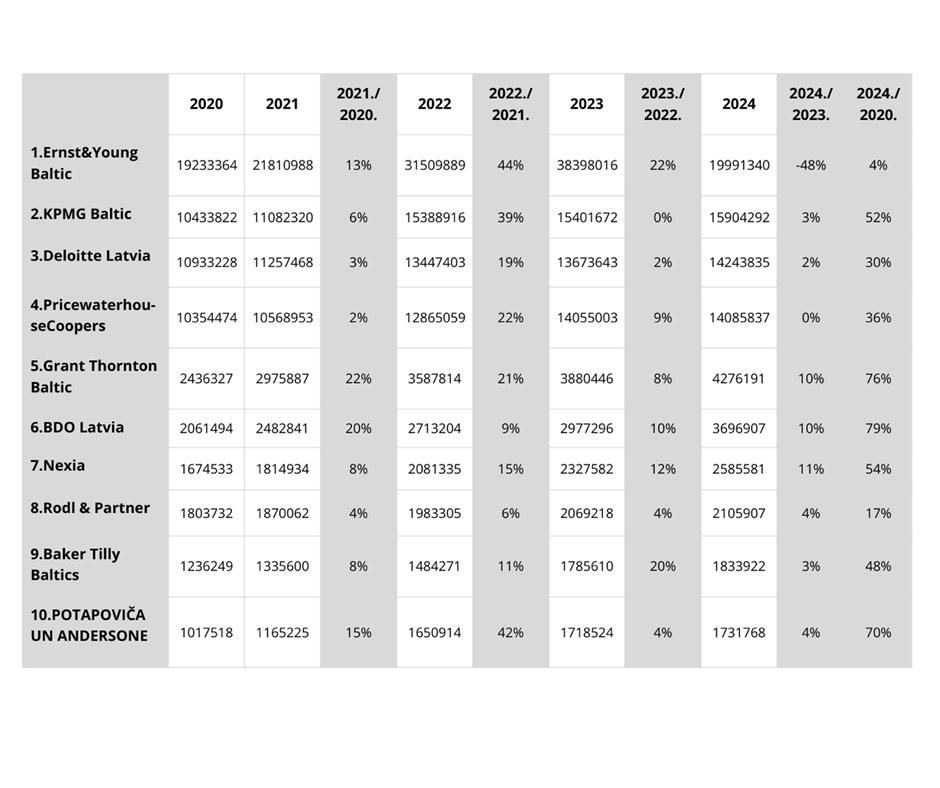
Source: Companies’ annual reports. Financial periods have been aligned based on the start date of the reporting period (e.g., 2024). The table includes aggregated financial data for network firms providing audit and financial advisory services.